Choosing the right elevator is an important decision for any residential or commercial building. A lift affects daily convenience, passenger safety, accessibility, energy use, maintenance, and the overall functionality of the property. Selecting a model only because it looks modern or has a lower quotation can create problems later if its capacity or specifications do not match the building.
Whether you need a Passenger Lift for an apartment, office, hotel, hospital, or commercial property, the selection should begin with the building's actual requirements. In this guide, we explain the major lift types, Passenger Lift Capacity, pricing factors, installation requirements, safety systems, and the key things to check before choosing an elevator.
What Is a Passenger Lift?
A Passenger Elevator is a vertical transportation system designed to move people between floors safely and comfortably. It is commonly installed in apartments, offices, hotels, hospitals, schools, shopping spaces, and other buildings where regular movement between floors is required.
The right lift is not necessarily the largest or most expensive option. It should match the building's expected passenger traffic, available space, floor height, operating requirements, and budget.
For example, an apartment building may require a reliable lift that handles regular morning and evening traffic, while a hotel may need a system designed for frequent passenger movement throughout the day.
If you are evaluating an elevator company in Jaipur, ask the supplier to first understand your building requirements before recommending a particular lift model.
What Are the Main Types of Passenger Lifts?
Different buildings require different elevator configurations. The most suitable option depends on height, traffic, available shaft space, and technical requirements.
Traction Passenger Lift
A traction lift uses a motor, ropes or belts, pulleys, and a counterweight system to move the elevator car.
It is widely considered for multi-storey buildings because it can be configured for different speeds and capacities. Modern traction systems can also provide smooth acceleration, accurate floor stopping, and efficient operation.
They can be suitable for:
- Apartment buildings
- Offices
- Hotels
- Hospitals
- Commercial properties
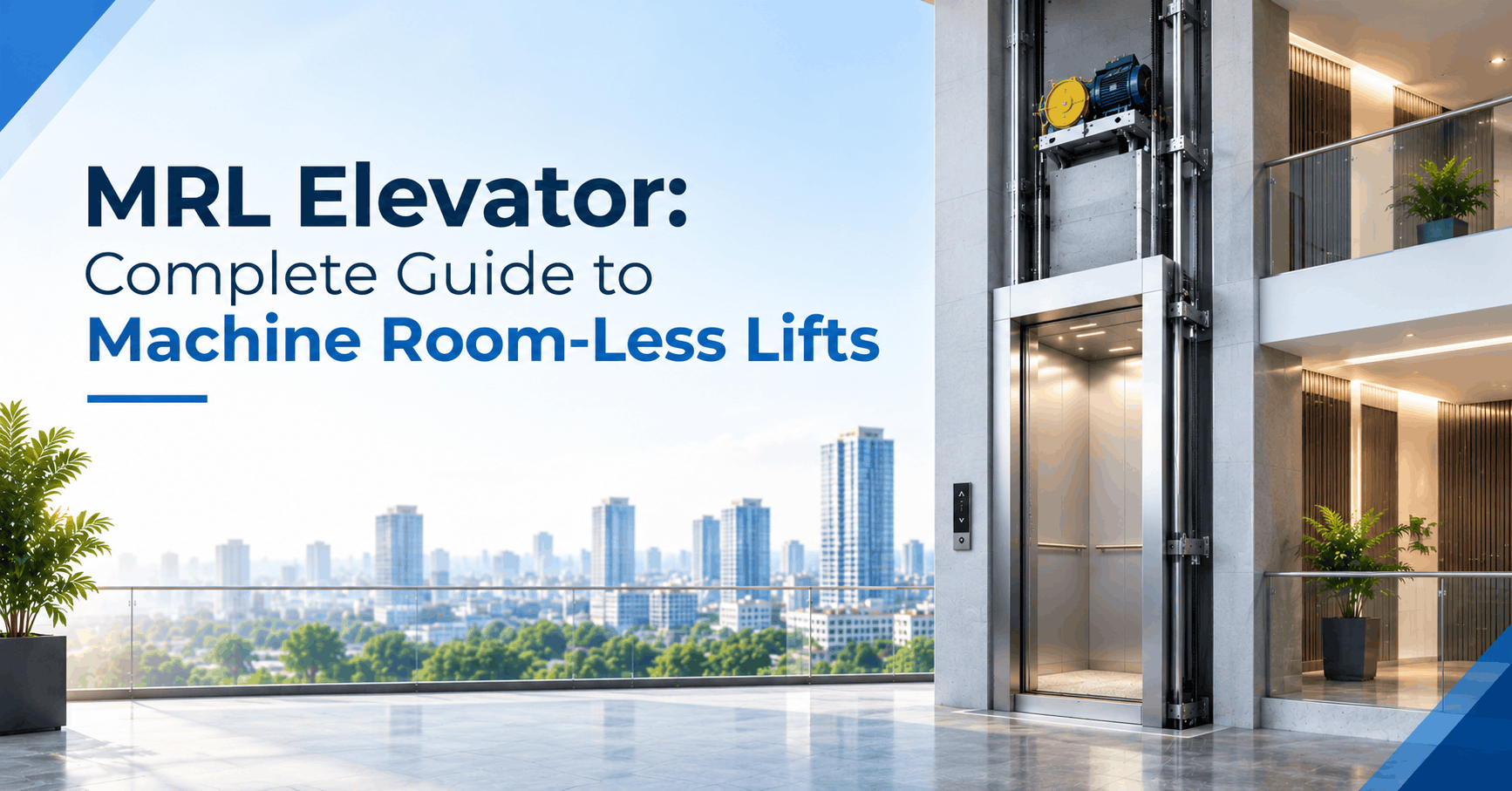
Machine Room-Less Passenger Lift
A machine-room-less or MRL lift places the drive equipment within the hoistway, reducing the need for a separate machine room.
This can be useful when architectural space is limited. However, the shaft, pit, overhead clearance, electrical requirements, and maintenance access must still be checked carefully before installation.
MRL technology can be considered when designing a passenger lift for building projects where space utilisation is important.
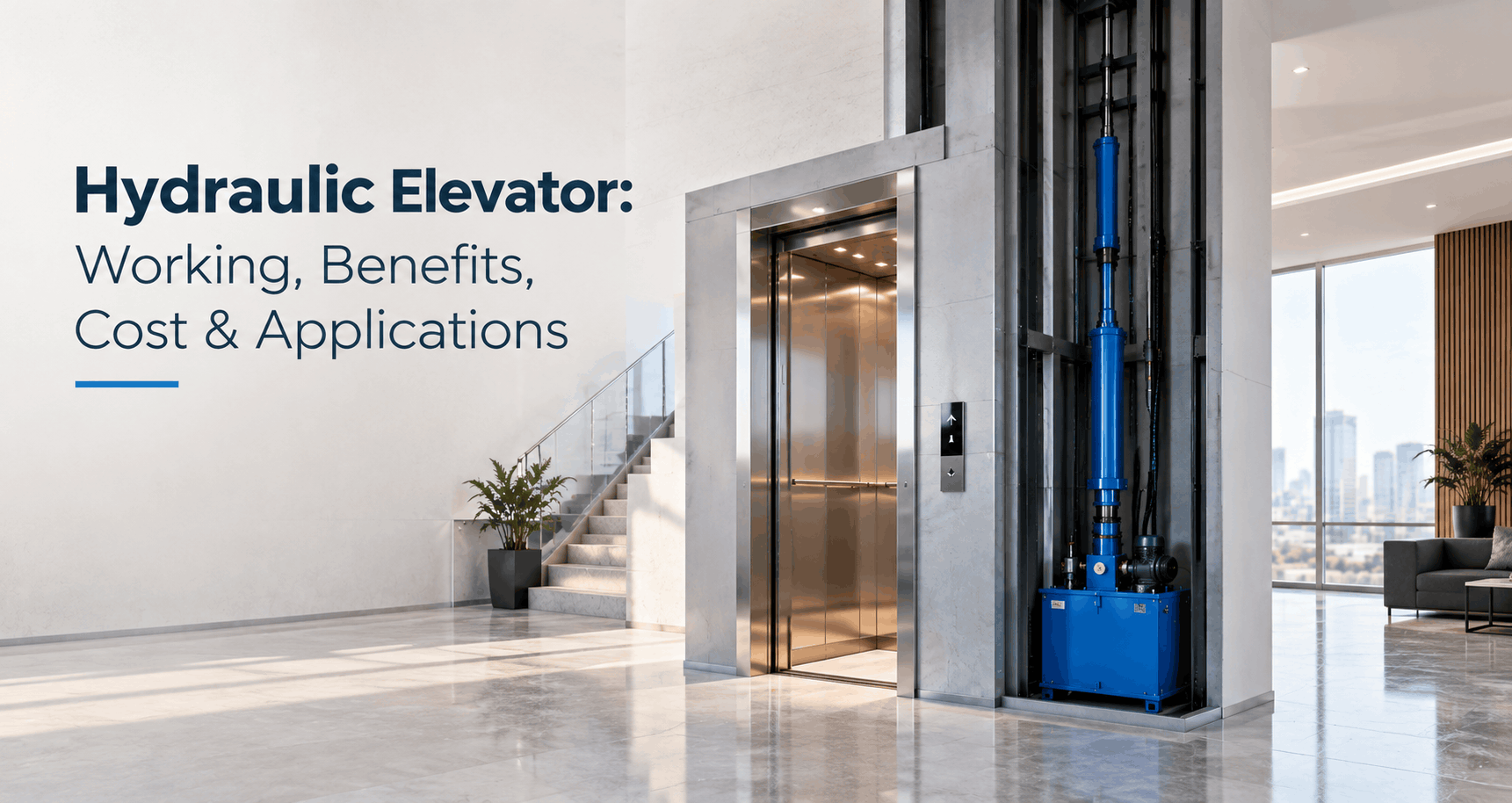
Hydraulic Passenger Lift
A hydraulic lift uses hydraulic power to move the elevator car. It can be suitable for certain low-rise applications and buildings where specific site conditions make hydraulic technology practical.
The right choice between traction and hydraulic technology should be based on building height, traffic, usage, available space, and technical requirements rather than price alone.
If your project requires a hydraulic elevator in Jaipur, the supplier should conduct a site assessment before confirming the final configuration.
How to Choose the Right Passenger Lift Capacity
Passenger Lift Capacity is one of the most important specifications to decide before placing an order.
Capacity is generally specified in kilograms and can also be expressed through the approximate number of passengers the cabin is designed to carry.
A small residential building may have different requirements from a busy office, hotel, hospital, or shopping facility.
When deciding passenger lift capacity for a residential building, consider:
- Number of residents or users
- Number of floors
- Number of apartments or offices
- Peak-hour traffic
- Expected future occupancy
- Cabin dimensions
- Accessibility requirements
A lift with insufficient capacity can create longer waiting times and repeated trips during busy periods. On the other hand, choosing excessive capacity without a genuine requirement can increase equipment and installation costs.
For larger properties, a professional traffic assessment can help determine whether one lift is sufficient or multiple elevators are required.
Which Passenger Lift Specifications Should You Check?
Choosing a Passenger Lift begins with understanding the technical specifications rather than looking only at cabin design.
Capacity
Confirm the rated load and approximate passenger capacity. It should match the expected traffic of the building.
Speed
Lift speed affects how quickly passengers move between floors. The appropriate speed depends on building height, number of stops, and expected usage.
Number of Stops
The number of floors served affects travel distance, landing doors, control systems, and overall installation requirements.
Cabin Size
Cabin dimensions should provide comfortable passenger movement and meet applicable accessibility requirements.
Door Configuration
Automatic doors can improve convenience and traffic handling. The suitable door arrangement depends on the building layout and available shaft dimensions.
Drive Technology
Different drive systems can offer different combinations of performance, efficiency, maintenance requirements, and installation needs.
Finishes
Stainless steel, glass, mirrors, flooring, lighting, handrails, and other cabin finishes can change the appearance as well as the overall quotation.
When comparing the Passenger Lift Price, always compare the complete technical specification rather than looking at the number alone.
What Is the Passenger Lift Price?
There is no fixed Passenger Lift Price applicable to every building. An elevator quotation depends on its capacity, speed, number of floors, technology, cabin size, finish, doors, safety systems, and installation conditions.
For this reason, online price ranges should only be treated as rough budgeting references. A lift supplier should ideally provide a quotation after understanding the project and conducting a site assessment.
The final Passenger Lift Cost may depend on:
- Lift capacity
- Number of floors
- Travel height
- Traction or hydraulic technology
- MRL or machine-room configuration
- Door type
- Cabin finish
- Safety equipment
- Civil and electrical requirements
- Installation and commissioning
- Maintenance arrangements
- Applicable taxes
A lower quotation may not represent better value if important components or services are excluded.
What Should a Passenger Lift Quotation Include?
Before comparing quotations, ask the supplier to clearly mention what is included.
A complete quotation should explain whether it covers:
- Lift equipment
- Cabin and landing doors
- Controller and drive system
- Installation
- Testing and commissioning
- Required accessories
- Civil work, if applicable
- Electrical work, if applicable
- Warranty
- Annual maintenance options
- Applicable taxes
This makes it easier to compare suppliers on the same technical basis.
What Does Passenger Elevator Installation Involve?
Passenger Elevator Installation is more than simply fitting the lift inside a shaft. Proper planning should begin before the building reaches the installation stage.
A typical process includes:
1. Site Survey
The supplier checks shaft dimensions, pit depth, overhead space, entrance arrangement, electrical requirements, and other site conditions.
2. Technical Finalisation
Capacity, speed, number of stops, cabin dimensions, doors, drive system, finishes, and safety requirements are confirmed.
3. Site Preparation
Required civil, electrical, shaft, pit, and structural work must be completed according to the approved design.
4. Equipment Installation
Mechanical and electrical components are installed and connected.
5. Testing and Commissioning
The lift is tested for proper operation, safety systems, door performance, stopping accuracy, and other applicable requirements.
6. Handover and Maintenance
After commissioning, the owner or building management should understand operating procedures, maintenance requirements, emergency systems, and service arrangements.
Because installation conditions differ from site to site, passenger elevator installation requirements should be finalised with the supplier before construction reaches the relevant stage.
What Safety Features Should a Passenger Lift Have?
Safety should be considered before price, cabin appearance, or decorative features.
Important safety features can include:
- Door interlocking
- Overload protection
- Emergency braking
- Speed and overspeed protection
- Emergency lighting
- Emergency communication
- Automatic rescue systems
- Door safety sensors
- Alarm systems
The exact safety configuration depends on the elevator design and applicable requirements.
When choosing a supplier, ask what safety systems are included as standard and which are optional. A clear safety specification helps you compare different proposals more accurately.
Passenger Lift for Residential vs Commercial Buildings
The right elevator depends heavily on how the building will be used.
Residential Buildings
A residential Passenger Lift for Building use should provide comfortable daily travel, reliable operation, suitable capacity, and accessibility for residents of different age groups.
Important considerations include:
- Passenger capacity
- Ride comfort
- Lift speed
- Power backup
- Door safety
- Emergency systems
- Maintenance response
Commercial Buildings
A Commercial Passenger Lift may experience heavier and more concentrated traffic than a residential elevator.
Offices, hotels, shopping centres, and other commercial properties should consider passenger flow, waiting time, speed, durability, door operation, and expected peak usage.
Hospitals
Hospitals can require specialised elevator solutions because patients, attendants, wheelchairs, stretchers, and medical equipment may need to move together. A standard passenger elevator may therefore not be appropriate for every healthcare application.
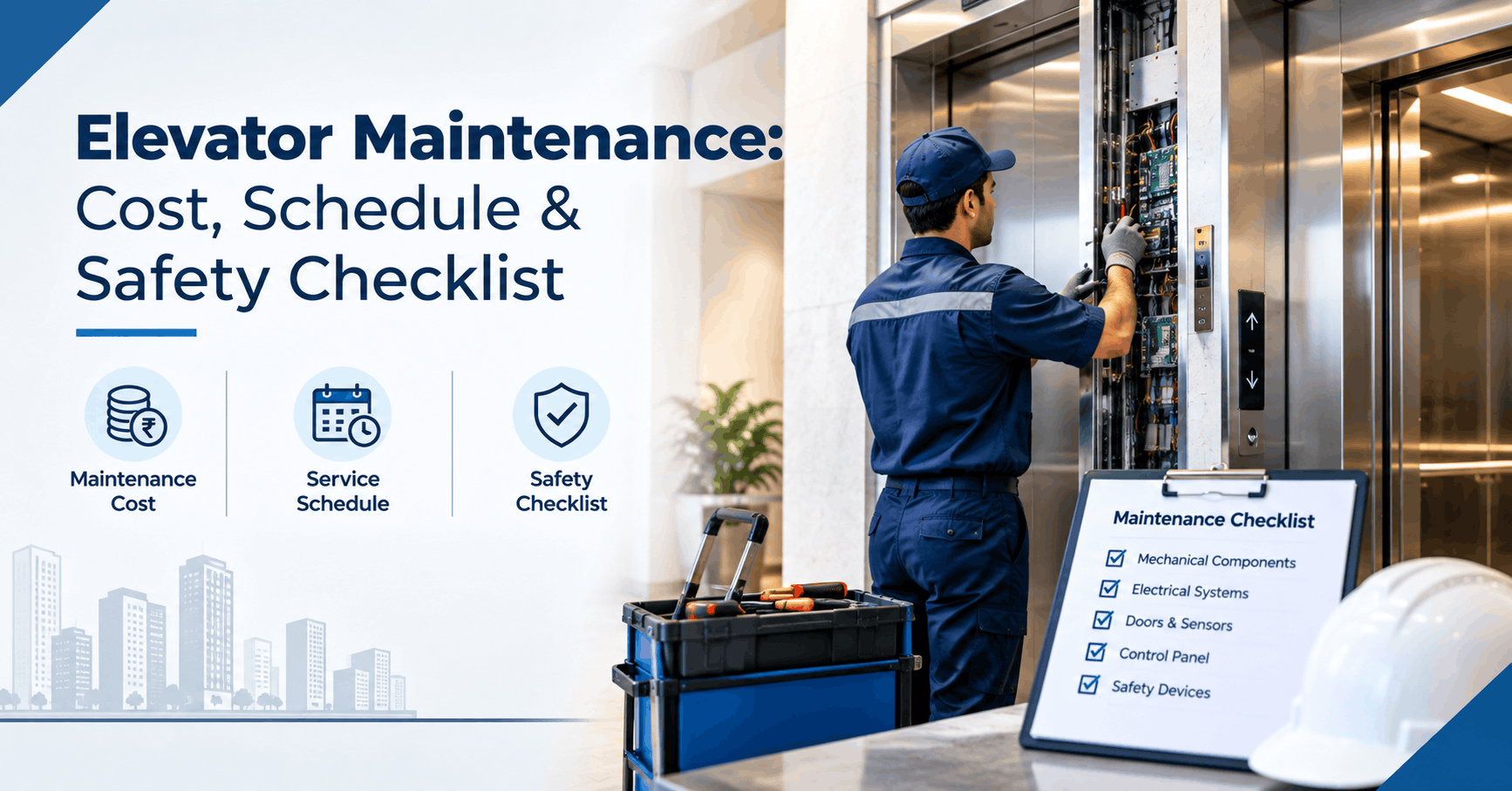
How Much Maintenance Does a Passenger Lift Need?
Installation is only the beginning of an elevator's service life. Regular inspection and preventive maintenance are important for reliable operation.
Before selecting a supplier, ask about:
- Preventive maintenance schedule
- Annual Maintenance Contract options
- Emergency breakdown support
- Response time
- Spare-parts availability
- Periodic inspections
- Modernisation options
A supplier offering only installation but limited after-sales support may not provide the best long-term value.
When evaluating elevator projects in Jaipur, look beyond the number of installations and check whether the supplier can also support the lift after commissioning.
7 Questions to Ask Before Buying a Passenger Lift
Before finalising an elevator supplier, ask these questions:
1. What capacity does my building actually need?
The recommendation should be based on expected traffic rather than simply the available budget.
2. Which lift technology is suitable for my building?
Ask why traction, MRL, or hydraulic technology is being recommended.
3. What is included in the quotation?
Clarify equipment, installation, testing, commissioning, taxes, and other charges.
4. What safety systems are included?
Ask for the complete safety specification instead of assuming everything is standard.
5. What shaft and pit requirements are needed?
Confirm dimensions before construction progresses too far.
6. What maintenance support is available?
Ask about AMC, emergency service, spare parts, and response time.
7. Can I see previous installations?
Review completed projects to understand the supplier's experience and installation quality.
Common Mistakes When Buying a Passenger Lift
Many buyers focus heavily on the initial quotation and overlook factors that can affect long-term performance.
Avoid these mistakes:
- Choosing capacity without analysing passenger traffic
- Comparing price without comparing specifications
- Ignoring shaft and pit requirements
- Treating safety systems as optional details
- Not checking installation scope
- Choosing decorative finishes before technical requirements
- Ignoring maintenance and emergency support
- Relying only on verbal commitments
The right elevator should be evaluated on safety, suitability, reliability, service, and total ownership cost, not only its purchase price.
How to Choose the Right Passenger Lift Supplier
The best supplier should understand your building before recommending equipment.
Look for a company that can support you with:
- Site survey
- Technical planning
- Appropriate capacity selection
- Customised design
- Professional installation
- Testing and commissioning
- Preventive maintenance
- Emergency support
- Spare-parts assistance
For a residential or commercial project, it can also be useful to review previous installations before making a final decision.
A supplier experienced in different building types is better positioned to explain why a particular configuration is suitable for your project.
Conclusion
Choosing the right Passenger Lift requires more than comparing quotations. Capacity, speed, number of floors, technology, shaft requirements, safety systems, installation scope, maintenance, and long-term operating costs all need to be considered together. A lift that matches the building's actual requirements can provide better reliability, accessibility, comfort, and value throughout its service life.
Before selecting a Passenger Lift, get a proper site assessment and compare complete technical proposals rather than choosing the lowest price. Whether you need a residential solution or a Commercial Passenger Lift, work with a supplier that can provide suitable design, professional installation, safety-focused engineering, and dependable after-sales support.