Modern buildings need elevator systems that use space efficiently while delivering safe, smooth, and reliable transportation. However, traditional elevators often require a separate machine room, which can affect building layouts and consume valuable space. An MRL Elevator offers an alternative by placing the driving machinery within the elevator shaft, removing the need for a separate conventional machine room.
Understanding how a Machine Room Less Elevator works can help property owners, architects, builders, and commercial developers make better decisions during the planning stage. Force Lifts offers the MRL FL-701 machine roomless elevator, designed for applications where space efficiency and modern elevator technology are important. This guide explains MRL lift technology, its advantages, applications, price factors, installation requirements, and how to choose a suitable system.
What Is a Machine Room Less Elevator?
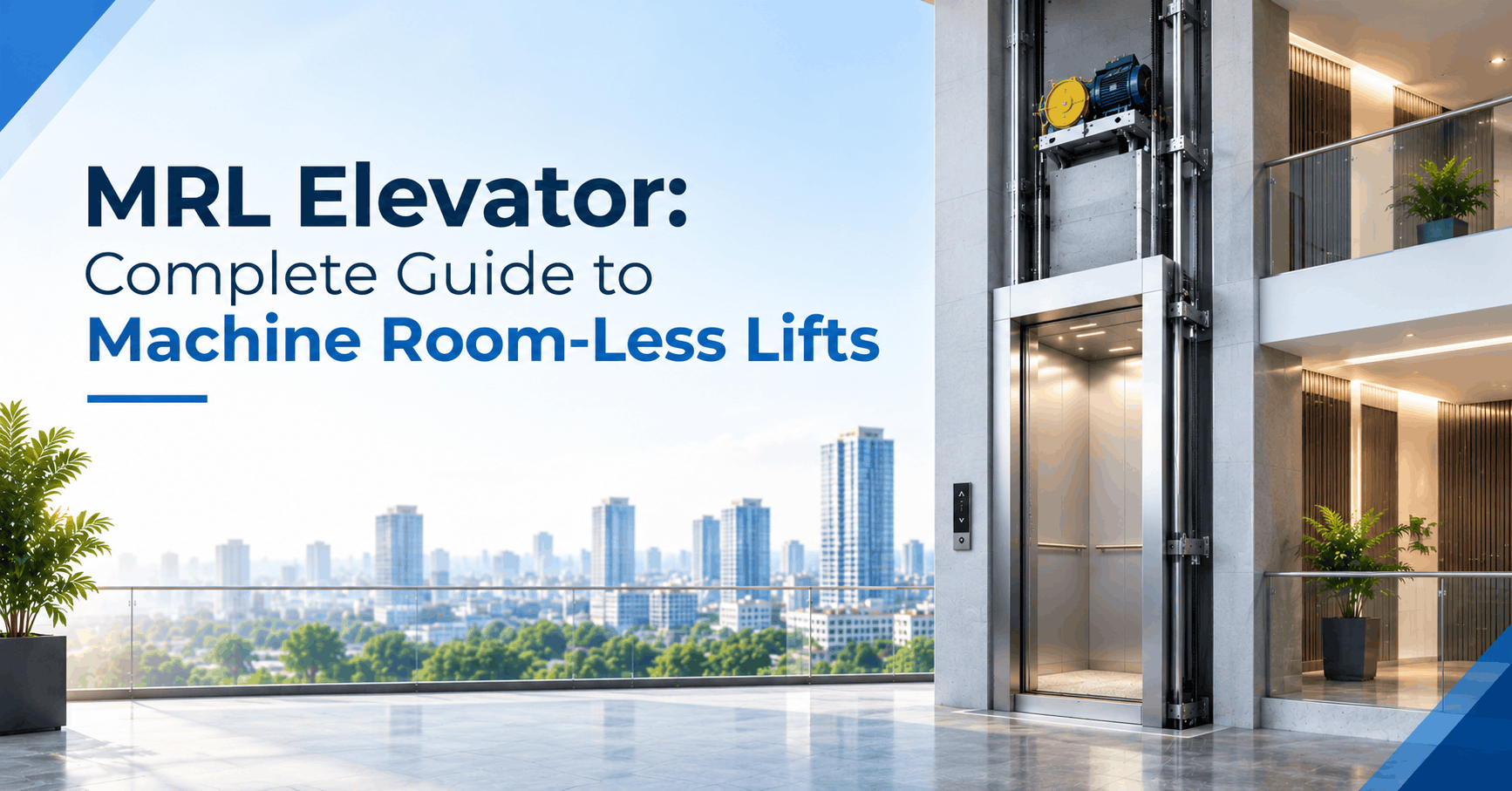
A Machine Room Less Elevator is designed to operate without a separate room dedicated to housing the main elevator machinery. In a conventional machine-room elevator, components such as the traction machine and associated equipment are generally installed in a dedicated room, often above the shaft. In an MRL system, the drive machinery is positioned within the hoistway according to the elevator's design.
Most MRL systems use traction technology, in which a motor drives the elevator through a system of ropes or other specified suspension arrangements. Many modern models use gearless traction drives, although the exact configuration depends on the manufacturer and model.
Removing the separate machine room does not mean that the lift operates without machinery or maintenance requirements. The motor, controller, safety systems, and other essential components still need suitable installation, access, inspection, and servicing arrangements.
For this reason, MRL technology should be evaluated as a complete elevator system rather than simply as a lift without a machine room.
How Does an MRL Lift Work?
An MRL Lift uses an electric drive system to move the elevator car between floors. In a typical traction-based arrangement, the motor operates the drive mechanism, which moves the suspension system and elevator car. A counterweight is commonly used to balance part of the car and its load, helping the system operate efficiently.
The elevator controller manages movement, floor selection, acceleration, deceleration, and stopping accuracy. Safety components monitor operating conditions and help protect passengers when the system is correctly designed, installed, and maintained.
The key difference is the placement of the main driving machinery. Instead of occupying a separate machine room, the machinery is integrated into the shaft layout. This arrangement can benefit buildings where space is limited, but the shaft dimensions, overhead clearance, pit depth, and access provisions must still meet the selected model's requirements.
Key Benefits of an MRL Elevator
1. Better Use of Building Space
One of the main advantages of an MRL elevator is that it eliminates the need for a separate conventional machine room. This can free up valuable floor or rooftop space for other building requirements.
The benefit is especially useful in urban residential projects, villas, office buildings, and developments where every part of the available area matters. However, the actual space saving depends on the elevator design and the building layout.
2. Flexible Architectural Planning
A separate machine room can influence the building's rooftop design and structural planning. An MRL Elevator can reduce this requirement, giving architects and developers greater flexibility when planning the elevator area.
Even so, an MRL installation still needs an appropriately designed shaft, adequate clearances, suitable structural support, and safe equipment access. These requirements should be discussed with the elevator manufacturer before construction begins.
3. Potential for Energy Efficiency
Many modern MRL elevators use efficient traction drives and electronic control systems. Depending on the selected equipment, building traffic, passenger load, and operating conditions, these technologies may help reduce energy consumption.
However, energy savings are not identical for every project. Buyers should compare the equipment's documented energy performance instead of assuming that every MRL lift automatically consumes less electricity than every conventional elevator.
4. Modern and Comfortable Operation
A well-designed MRL system can provide smooth acceleration, controlled stopping, and comfortable travel between floors. Drive technology, controller settings, installation quality, and regular maintenance all influence the passenger experience.
Noise and vibration also depend on the design, installation, and condition of the equipment. A supplier should explain the expected operating performance of the proposed model.
5. Suitable Options for Contemporary Buildings
MRL elevators are available in configurations suited to different building types and passenger requirements. Depending on the model, they may be considered for private residences, multi-storey housing, offices, and other suitable applications.
Choosing the correct configuration remains essential. Capacity, travel height, speed, passenger traffic, and local installation requirements should be assessed before selecting an MRL system.
Where Are MRL Elevators Used?
A Machine Room Less Lift can be suitable for several applications when the building structure and elevator specifications support its installation.
Residential Buildings and Villas
Homeowners may consider an MRL system when they want convenient movement between floors without allocating space for a separate machine room. The design can be relevant to multi-storey homes, duplexes, and villas where accessibility and space planning are important.
Apartments and Residential Complexes
Residential buildings with regular passenger movement may benefit from an appropriately specified MRL traction elevator. The number of residents, expected traffic during peak hours, building height, and waiting-time expectations must all be considered.
Commercial Offices
Office buildings need elevators that can manage employee movement, visitor traffic, and daily operational requirements. An MRL system may suit a commercial project when its rated capacity, speed, and traffic-handling performance match the building's needs.
Renovation and Space-Constrained Projects
Some existing buildings have limited space for additional construction. An MRL design may be worth evaluating when a separate machine room is difficult to accommodate. However, installing a lift in an existing building still requires a structural feasibility assessment, adequate shaft space, and compliance with applicable safety requirements.
MRL Elevator Price: What Determines the Cost?
The MRL Elevator Price depends on the selected equipment and the specific installation requirements. There is no single price that applies to every building because a home lift and a commercial elevator may have different capacities, speeds, configurations, and construction needs.
Before comparing quotations, understand the major factors that influence the overall project cost.
- Load capacity: The required passenger or load capacity affects the equipment configuration and design.
- Number of floors and travel height: More stops and greater travel distance can influence the equipment, installation, and project requirements.
- Speed and traffic requirements: Buildings with heavier passenger traffic may require a different specification from low-traffic residential properties.
- Shaft and civil work: Pit depth, overhead clearance, shaft dimensions, structural support, and site conditions can affect preparation costs.
- Cabin design and finishes: Stainless steel, decorative finishes, lighting, flooring, and other customisation choices can change the quotation.
- Safety and operating features: Door systems, communication facilities, rescue arrangements, controls, and other specified components contribute to the overall configuration.
- Installation and maintenance: Labour, testing, commissioning, servicing arrangements, and the scope of the maintenance agreement should be considered.
When requesting an MRL Elevator Price quotation, ask the supplier to clearly distinguish elevator equipment, installation, civil modifications, electrical requirements, taxes, and any optional features. Also confirm what is included in the warranty and annual maintenance agreement.
This approach helps you compare complete proposals rather than choosing a lift based only on its initial quoted cost.
MRL Elevator vs Conventional Machine Room Elevator
Both MRL elevators and conventional machine-room elevators can provide reliable vertical transportation when appropriately designed and maintained. Their main difference is how the machinery is arranged within the building.
An MRL system places the driving machinery within the shaft, eliminating the need for a separate conventional machine room. A machine-room elevator houses its main machinery in a dedicated room, which may offer more direct equipment access depending on the design.
An MRL elevator may be worth considering when building space is limited or a separate machine room is difficult to accommodate. A conventional system may be more suitable for certain projects depending on building height, load requirements, maintenance access, and the available layout.
The best choice is not universal. Ask the elevator supplier to assess your building plans, expected traffic, technical requirements, and long-term maintenance needs before recommending a configuration.
How to Choose the Right MRL Lift
Selecting the right MRL Lift requires more than comparing prices or cabin appearance. The system should match the building's actual usage and construction conditions.
Consider the following points before making a decision:
- Define the application: Identify whether the elevator will serve a private residence, apartment building, office, or another environment.
- Estimate passenger traffic: Consider the number of users, peak-hour movement, expected waiting time, and frequency of operation.
- Check technical specifications: Review rated load, speed, number of stops, travel height, car dimensions, and door configuration.
- Confirm structural feasibility: Ask the supplier to verify shaft dimensions, pit depth, overhead clearance, structural support, and electrical requirements using the proposed model's drawings.
- Review safety provisions: Confirm the specified door interlocks, emergency communication, rescue arrangements, and other applicable safety systems.
- Evaluate after-sales support: Understand servicing intervals, maintenance coverage, response arrangements, spare-parts availability, and warranty terms.
A reliable supplier should explain the technical limitations of the proposed model and provide documentation suitable for coordination with the architect, structural consultant, and installation team.
MRL Elevator Installation and Maintenance
Correct installation is essential for the safety, performance, and reliability of an MRL elevator. Planning should begin before the shaft and related civil work are finalised. The elevator supplier should provide the approved technical drawings and clarify the site requirements for the selected system.
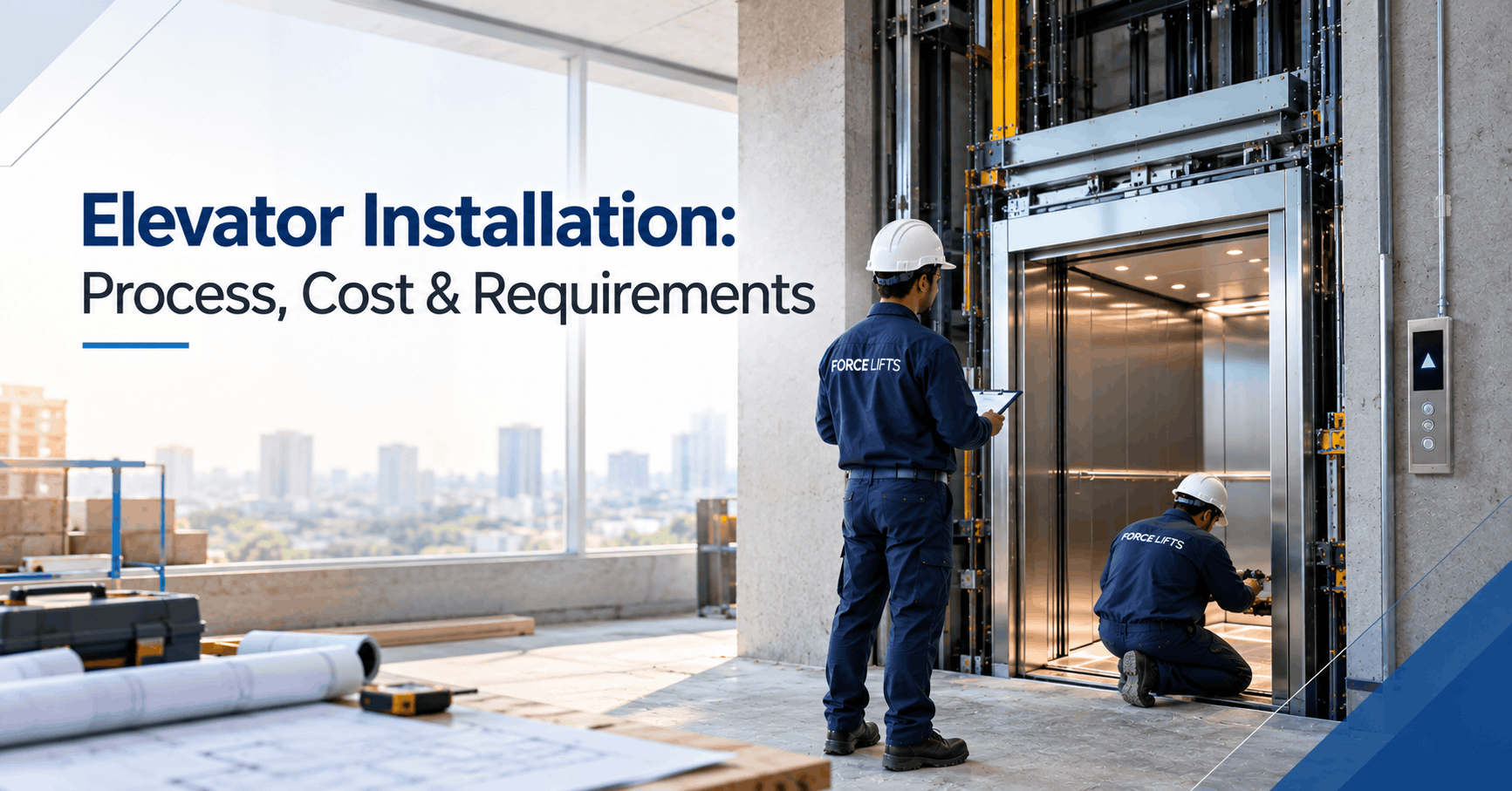
The installation process generally involves site inspection, checking shaft readiness, positioning equipment, installing the car and door systems, connecting controls and electrical components, and carrying out testing and commissioning. The exact process varies by model and site conditions.
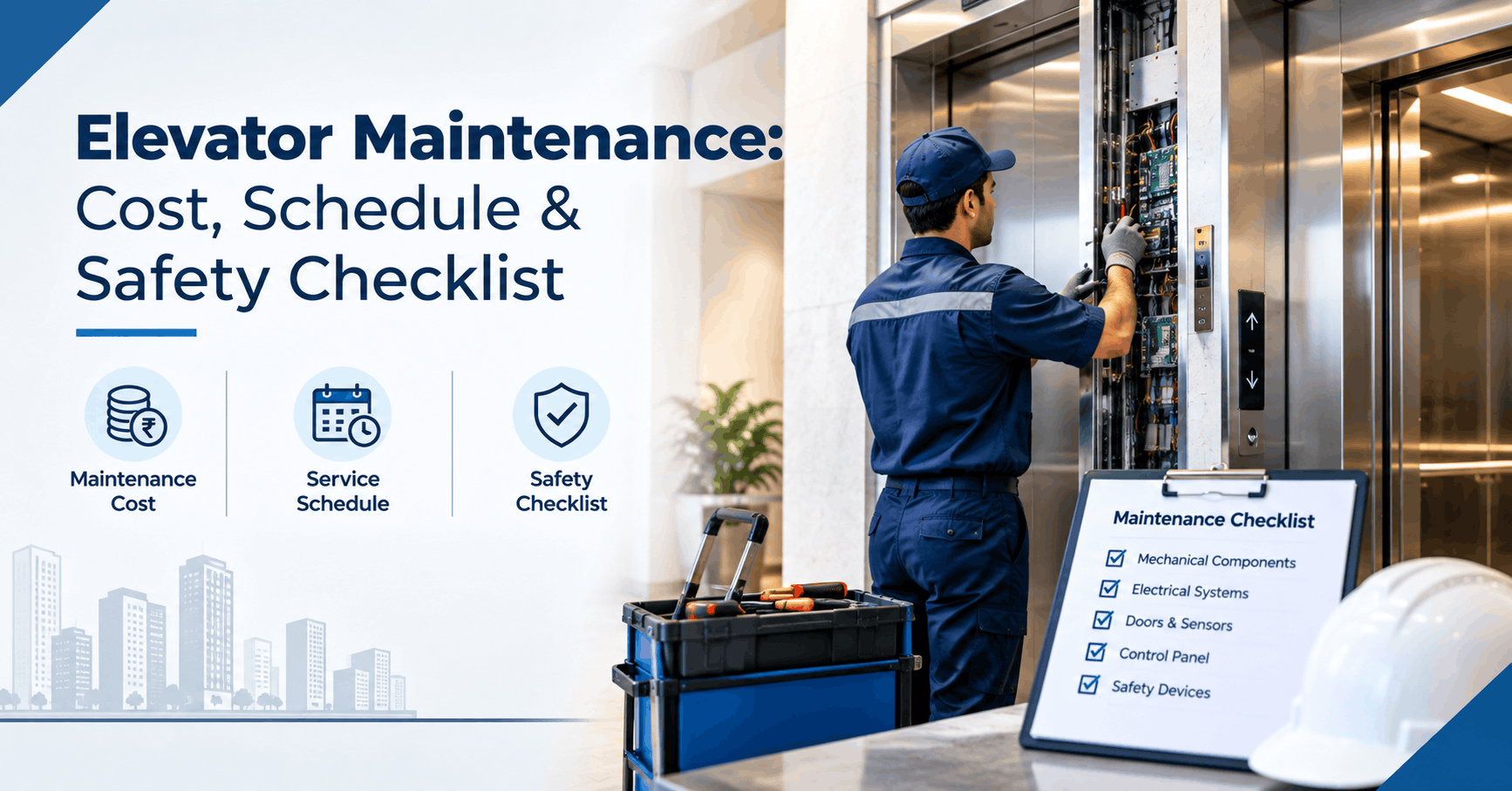
After installation, regular servicing helps identify wear, maintain operating performance, and address developing faults. Maintenance should be performed by qualified technicians in line with manufacturer recommendations and applicable requirements.
Building owners can review the available installation and maintenance services to understand the support that may be needed throughout the elevator's working life.
Why Consider Force Lifts for an MRL Elevator?
Choosing an elevator supplier involves evaluating product specifications, engineering support, installation planning, safety provisions, and after-sales service. The supplier should be able to explain how the proposed lift fits the building rather than recommending a model solely on the basis of price.
Force Lifts features the MRL FL-701 as a machine roomless electric elevator using gearless traction technology. Its published product information lists specifications for rated load, speed, travel height, and other design parameters. The appropriate configuration should be confirmed against the needs and layout of each project.
Before finalising an order, request the relevant technical drawings, a detailed quotation, installation scope, warranty terms, and maintenance recommendations. You can also explore the Force Lifts elevator product range to review other available elevator options.
Conclusion
An MRL Elevator is a practical option for buildings where efficient space utilisation, modern traction technology, and flexible architectural planning are important. By eliminating the need for a separate conventional machine room, it can simplify certain building layouts while providing reliable vertical transportation when properly designed and installed. Its suitability depends on the project's capacity, travel requirements, structural conditions, and expected passenger traffic.
Before choosing a Machine Room Less Elevator, compare technical specifications, installation requirements, safety provisions, warranty terms, and long-term maintenance costs. Force Lifts offers the MRL FL-701 and other elevator solutions for different applications. Review your building requirements carefully and contact Force Lifts for information about a suitable configuration and project-specific quotation.