Installing an elevator is a major investment for any residential or commercial building. The wrong lift selection, inadequate shaft planning, or incomplete site preparation can increase costs, delay construction, and create problems during operation. Understanding the installation process before work begins helps building owners avoid these issues and make better technical and financial decisions.
Whether you are constructing an apartment building, office, hotel, or industrial facility, Elevator Installation requires proper planning, suitable equipment, professional installation, and safety checks. This guide explains the installation process, cost factors, site requirements, and how to choose the right installation company for your project in Jaipur.
What Is Elevator Installation?
Elevator installation is the process of planning, fitting, testing, and commissioning a lift so that it operates safely and reliably within a building. It involves more than placing a lift cabin inside a shaft. The building structure, electrical supply, landing entrances, control systems, safety equipment, and maintenance access must all be considered.
The installation requirements can differ depending on the application. For example, a residential apartment building may require a passenger elevator designed for regular daily traffic, while a warehouse may need a goods lift designed for material handling.
Before choosing equipment, identify the building's purpose, number of floors, expected usage, available space, and future requirements. These details help the installation team recommend a suitable solution rather than simply quoting the lowest price.
What Is the Lift Installation Process?
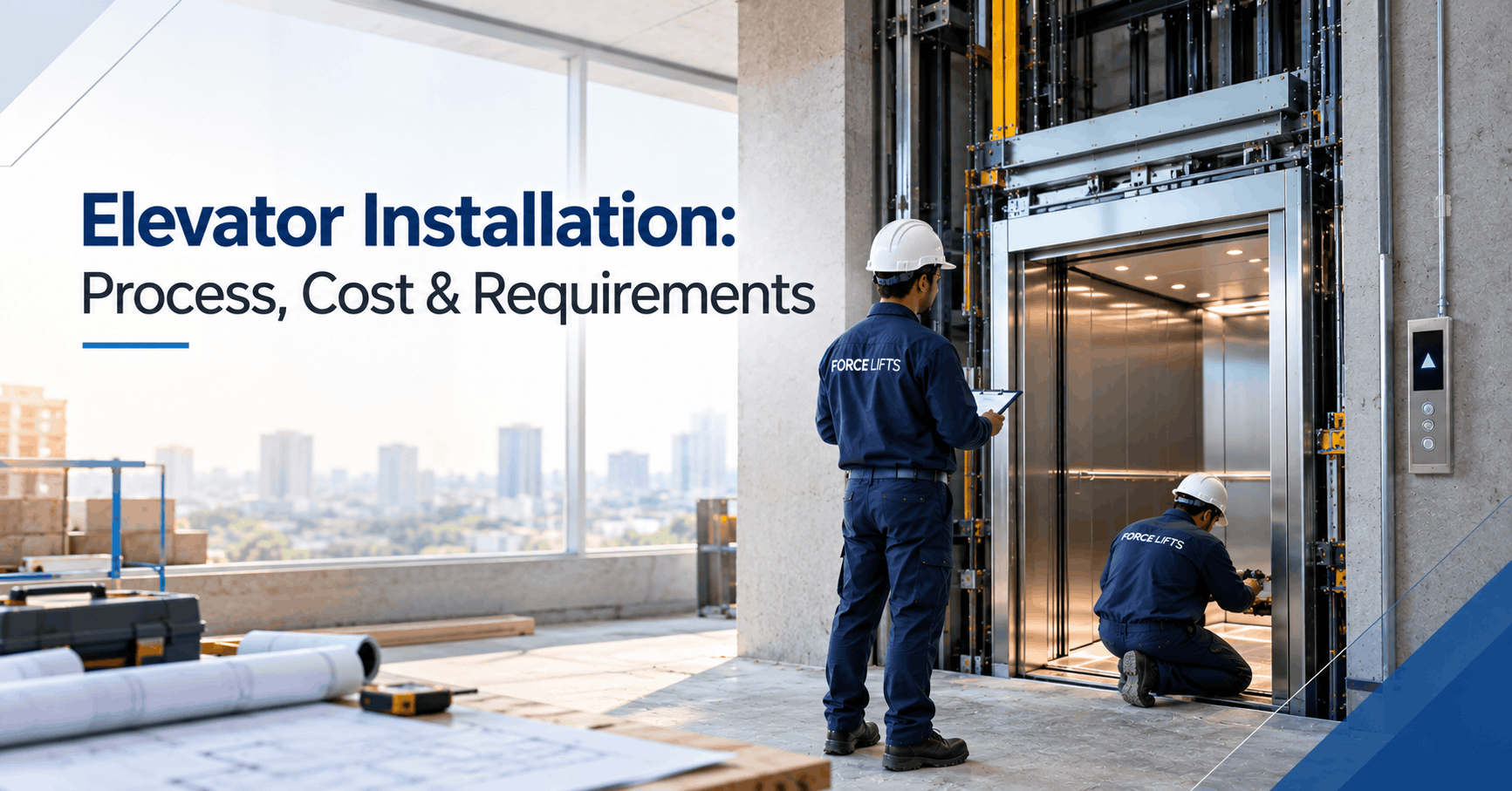
A professional Lift Installation Process generally follows several stages, from the first site assessment to final handover.
1. Site Inspection and Planning
The first step is to inspect the building and understand its requirements. The installation team checks the proposed lift location, shaft dimensions, floor heights, available space, electrical infrastructure, and access for transporting equipment.
The team also discusses the number of passengers or type of loads, expected traffic, and the building's operational requirements.
At this stage, confirm the lift type, capacity, speed, number of stops, cabin dimensions, door configuration, and expected project timeline.
2. Lift Selection and Technical Design
Once the site requirements are understood, the suitable lift configuration can be finalised.
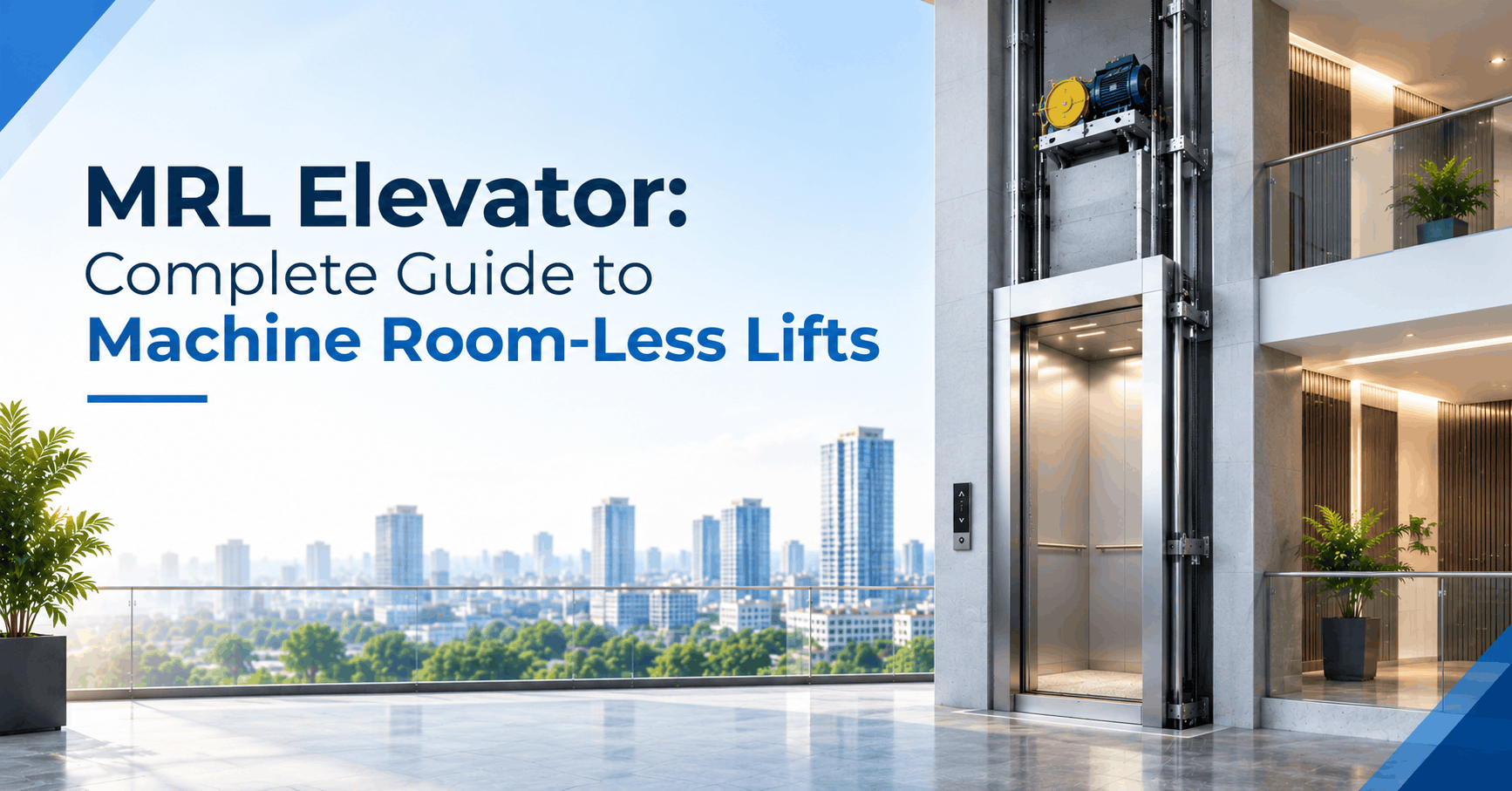
Depending on the building, options may include traction, machine-room-less (MRL), hydraulic, home, hospital, or goods elevators. Each option has different space, capacity, performance, and installation requirements.
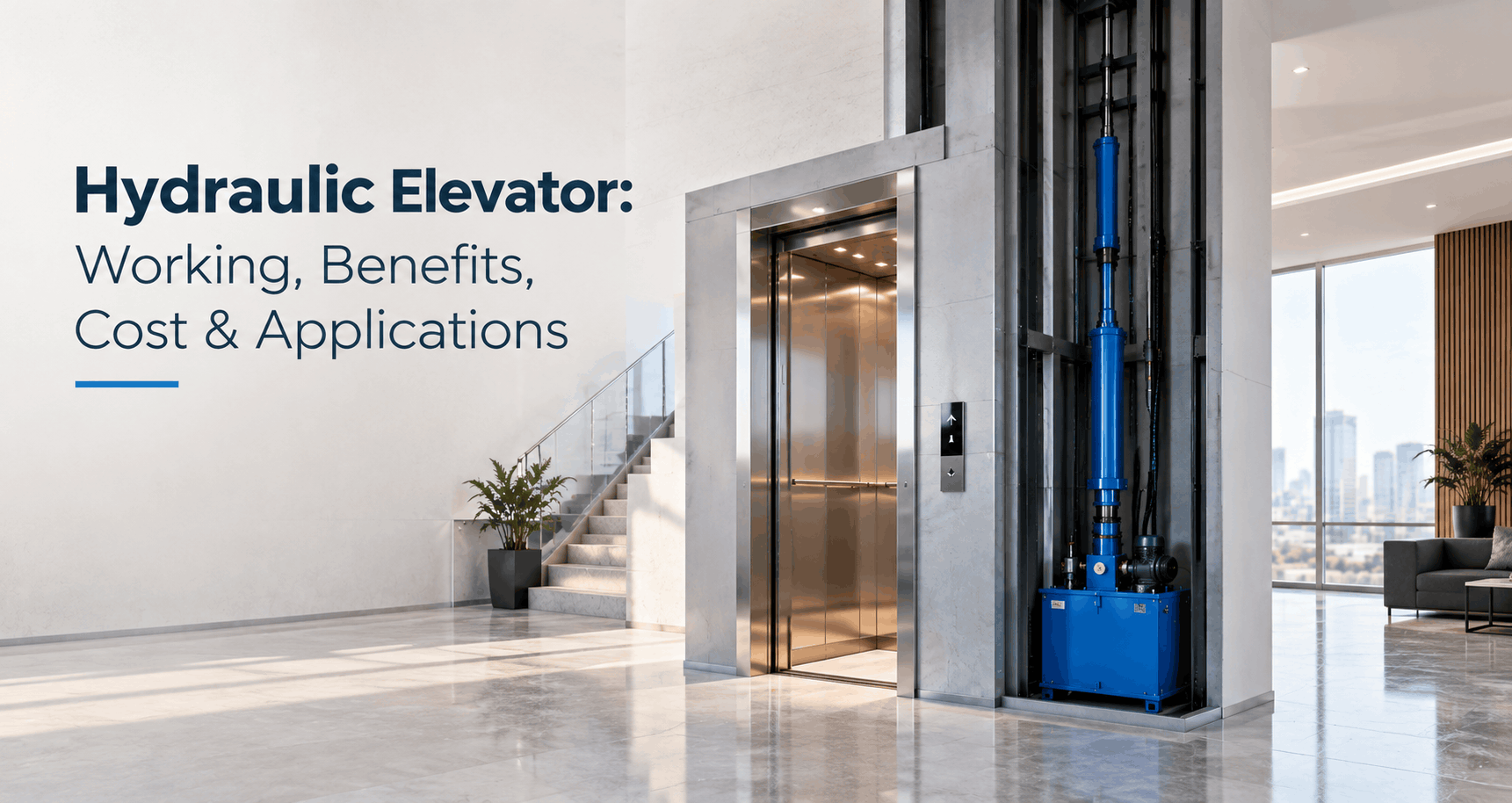
For example, a hydraulic elevator in Jaipur may suit certain low-rise applications, while a different configuration may be more suitable for a taller building or heavier passenger traffic.
The selection should be based on the building design and actual usage rather than the initial purchase price alone.
3. Preparing the Site
Before installation begins, the building must meet the agreed technical requirements.
Depending on the elevator design, preparation may involve:
- Providing the required lift shaft and landing openings.
- Completing the pit and overhead space.
- Ensuring suitable structural provisions.
- Arranging the required electrical supply.
- Providing access for equipment and installation personnel.
- Completing specified civil work.
Incorrect dimensions or incomplete preparation can delay installation and create expensive modifications. Therefore, builders should coordinate with the elevator supplier before finalising relevant structural work.
4. Installing the Elevator Components
After the site is ready, technicians install the elevator's mechanical and electrical components according to the approved design.
These components can include guide rails, car frame, cabin, drive system, controller, landing doors, electrical connections, and safety equipment.
The installation sequence depends on the lift type and manufacturer specifications. Work should be performed by trained personnel using the correct installation procedures.
5. Testing and Commissioning
Once installation is complete, the elevator must undergo the required checks before being put into service.
These may include testing door operation, stopping accuracy, control functions, braking systems, overload protection, emergency communication, and applicable rescue arrangements.
The specific tests depend on the elevator design and the relevant standards and regulatory requirements. The lift should not be handed over for normal use until the necessary testing and approvals have been completed.
6. Documentation and Handover
The final stage involves completing the applicable documentation, explaining operating procedures, and handing over the system to the building owner or management team.
The owner should understand normal operation, emergency procedures, maintenance requirements, and whom to contact if a fault occurs.
Force Lifts lists site inspection and planning, professional installation, quality testing and commissioning, documentation, and handover training among its installation services. You can explore its elevator installation services for more details.
What Are the Requirements for Elevator Installation?
Before arranging installation, confirm that the building is suitable for the selected lift. Requirements vary according to the model, building height, usage, and applicable regulations.
Shaft, Pit, and Overhead Space
The shaft dimensions must match the selected elevator design. Pit depth, overhead clearance, landing openings, and structural provisions should be confirmed before construction reaches the relevant stage.
Never assume that every lift can fit into an existing shaft without modifications.
Electrical Infrastructure
The lift requires an electrical arrangement suitable for its drive system, controller, and other equipment. The supplier should specify the electrical requirements, protection systems, and any backup provisions needed for the selected configuration.
Safety and Regulatory Requirements
Elevator design and installation should follow the applicable building requirements, technical standards, and state or local lift regulations. India's National Building Code addresses lift planning, design, installation, operation, maintenance, inspection, and safety requirements. You can refer to the Bureau of Indian Standards' National Building Code information for the broader regulatory framework.
Before commissioning, confirm which inspections, licences, approvals, and documentation apply to the specific project in Rajasthan.
Site Readiness and Access
The installation area should be safe, accessible, and prepared according to the supplier's instructions. The project schedule should account for equipment storage, working clearances, construction coordination, and technician access.
Completing these requirements early can reduce avoidable delays and rework.
How Much Does Elevator Installation Cost?
Elevator Installation Cost varies significantly from one project to another. A small residential lift and a high-capacity elevator serving multiple floors have different equipment, structural, electrical, and installation requirements. Therefore, there is no single price that applies to every building.
The most reliable way to estimate the cost is to request a project-specific quotation after the supplier understands the building and its requirements.
Your quotation may depend on:
- Lift type: Traction, MRL, hydraulic, home, hospital, and goods lifts can have different costs.
- Capacity: Larger cabins and higher load ratings can require different equipment and structural provisions.
- Building height: More floors and greater travel distances affect the installation design.
- Cabin and doors: Materials, finishes, automatic doors, and customisation can change the price.
- Site preparation: Shaft modifications, pit work, electrical work, and other civil requirements may add to the budget.
- Safety systems: The specified safety equipment and technical configuration affect the total quotation.
- Installation scope: Equipment supply, installation, testing, commissioning, and documentation may be priced differently.
- Maintenance arrangements: Warranty and ongoing service agreements should be understood separately.
Ask the supplier for a written breakdown of what is included and excluded. This helps you compare quotations fairly and reduces the risk of unexpected charges during construction.
Do not choose a lift solely because it has the lowest initial price. Reliability, suitability, safety, maintenance support, and long-term operating requirements also matter.
How to Choose an Elevator Installation Company
Choosing the right Elevator Installation Company is just as important as choosing the equipment. An experienced supplier should understand the building requirements, explain the available options, and provide a clear installation plan.
Before making a decision, check whether the company offers:
- A site survey and technical assessment.
- Clear specifications and written quotations.
- Trained installation personnel.
- Testing and commissioning support.
- Documentation and handover guidance.
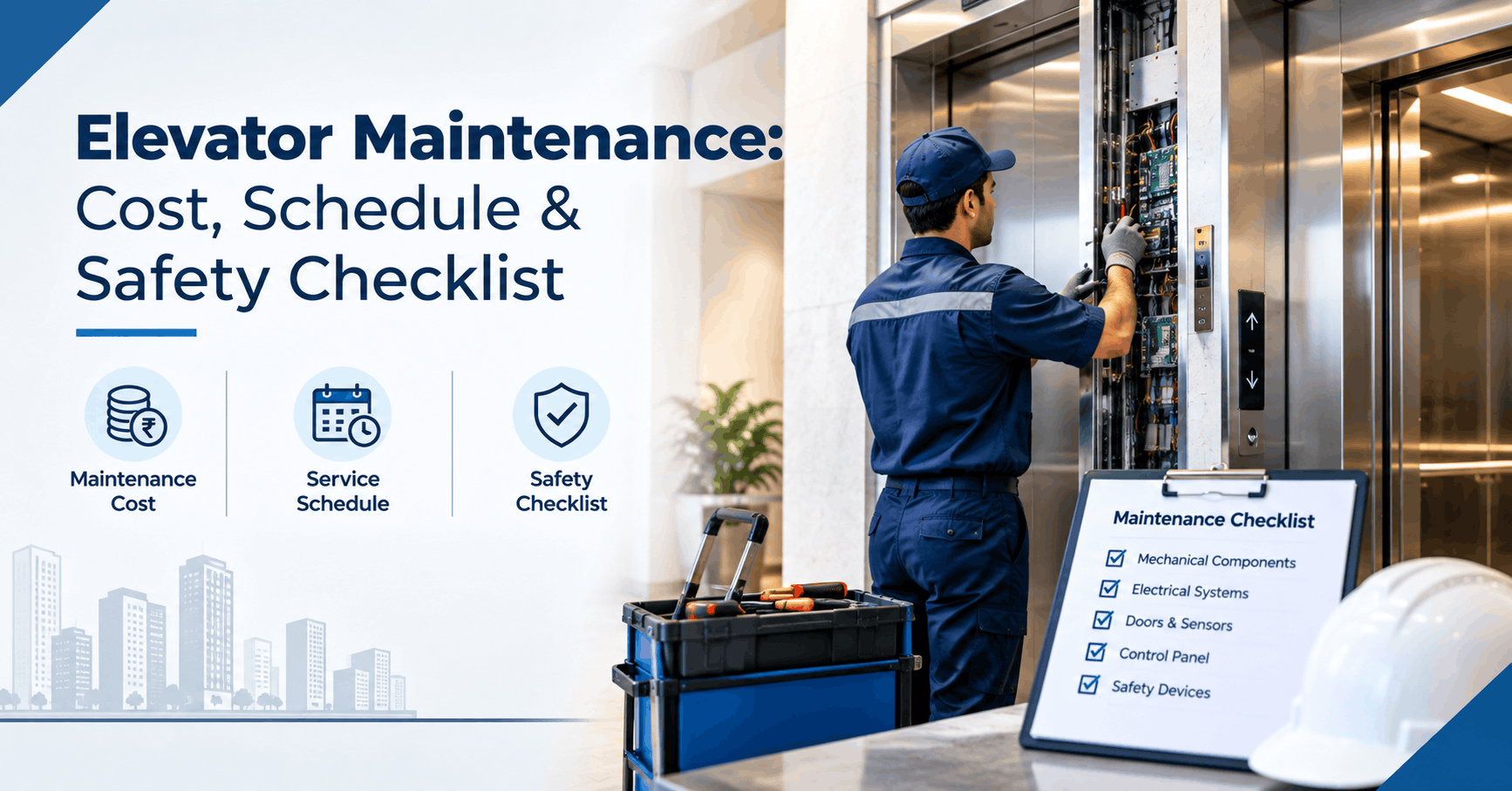
- Preventive maintenance and emergency assistance.
Ask about the supplier's previous installations and whether it has experience with buildings similar to yours. Reviewing completed elevator projects in Jaipur can help you understand the types of applications a company has handled.
Also clarify the warranty, maintenance arrangements, service response, and availability of spare parts before signing the contract.
Common Elevator Installation Mistakes to Avoid
Many installation problems begin during the planning stage. Avoid these common mistakes:
Selecting the lift too late: Finalising the lift after structural work is complete can lead to shaft modifications, extra costs, and project delays.
Choosing based only on price: A low quotation may exclude necessary work or offer a configuration that does not meet the building's needs.
Ignoring future usage: Consider likely occupancy and traffic rather than selecting capacity based only on present demand.
Overlooking safety checks: Required testing, inspections, and approvals should be completed before the lift enters service.
Not planning maintenance: Understand the servicing schedule and emergency support arrangements before handover.
Good coordination between the builder, architect, electrical contractor, and elevator supplier makes the entire process smoother.
Conclusion
Successful Elevator Installation begins with proper planning, suitable equipment selection, site readiness, and professional execution. Understanding shaft requirements, electrical infrastructure, safety systems, commissioning, and the total installation budget helps building owners avoid preventable delays and make better decisions.
Before selecting an Elevator Installation Company, request a site assessment, compare complete quotations, verify the required standards and approvals, and discuss long-term maintenance support. For residential, commercial, or industrial projects in Jaipur, choosing a solution that fits the building's actual requirements can provide safer, more dependable, and efficient elevator operation over the long term.