Commercial buildings depend on safe and efficient movement between floors. Offices, shopping complexes, hotels, hospitals and business centres all have different elevator requirements based on building height, passenger traffic and daily operations. Choosing an unsuitable elevator can lead to long waiting times, higher operating costs and frequent maintenance issues.
A commercial elevator should be selected according to the building's purpose, expected passenger load, travel height, available space and long-term operating requirements. Before finalising a system, building owners and developers should compare suitable elevator solutions for commercial buildings, review technical specifications and consider the maintenance support available after installation.
What Is a Commercial Elevator?
A commercial elevator is a vertical transportation system installed in a building used for business, public access or commercial operations. It helps people move between floors and can support the movement of approved goods or equipment when the system is designed for that purpose.
Unlike a lift selected mainly for a private home, a commercial system may need to handle more passengers, operate for longer hours and accommodate higher daily traffic. Its specifications must match the building's actual use.
Common applications include:
- Office buildings and corporate workplaces
- Shopping malls and retail complexes
- Hotels, resorts and hospitality properties
- Hospitals and healthcare facilities
- Restaurants and commercial establishments
- Business centres and mixed-use buildings
- Warehouses and commercial facilities requiring goods movement
Not every elevator is suitable for every application. A passenger elevator, hospital elevator and goods elevator have different design priorities. The selection process should begin with the building's requirements rather than the appearance or initial price of the lift.
Types of Commercial Elevators
Different elevator technologies serve different building layouts and operating conditions. Understanding the main options can help developers shortlist suitable systems.
1. Traction Elevator
A traction elevator uses a motor-driven system with ropes or belts and a sheave to move the cabin. Depending on its configuration, the drive equipment may be installed in a machine room or integrated into a machine-roomless design.
Traction systems are commonly considered for multi-storey commercial buildings, offices and properties with regular passenger traffic.
Key considerations:
- Suitable configurations are available for different building heights.
- Speed and capacity can be selected according to traffic requirements.
- Energy consumption depends on the drive technology, usage patterns and load.
- Installation requires appropriate shaft dimensions and equipment planning.
The required speed, capacity and configuration should be determined through a project-specific assessment.
2. Hydraulic Elevator
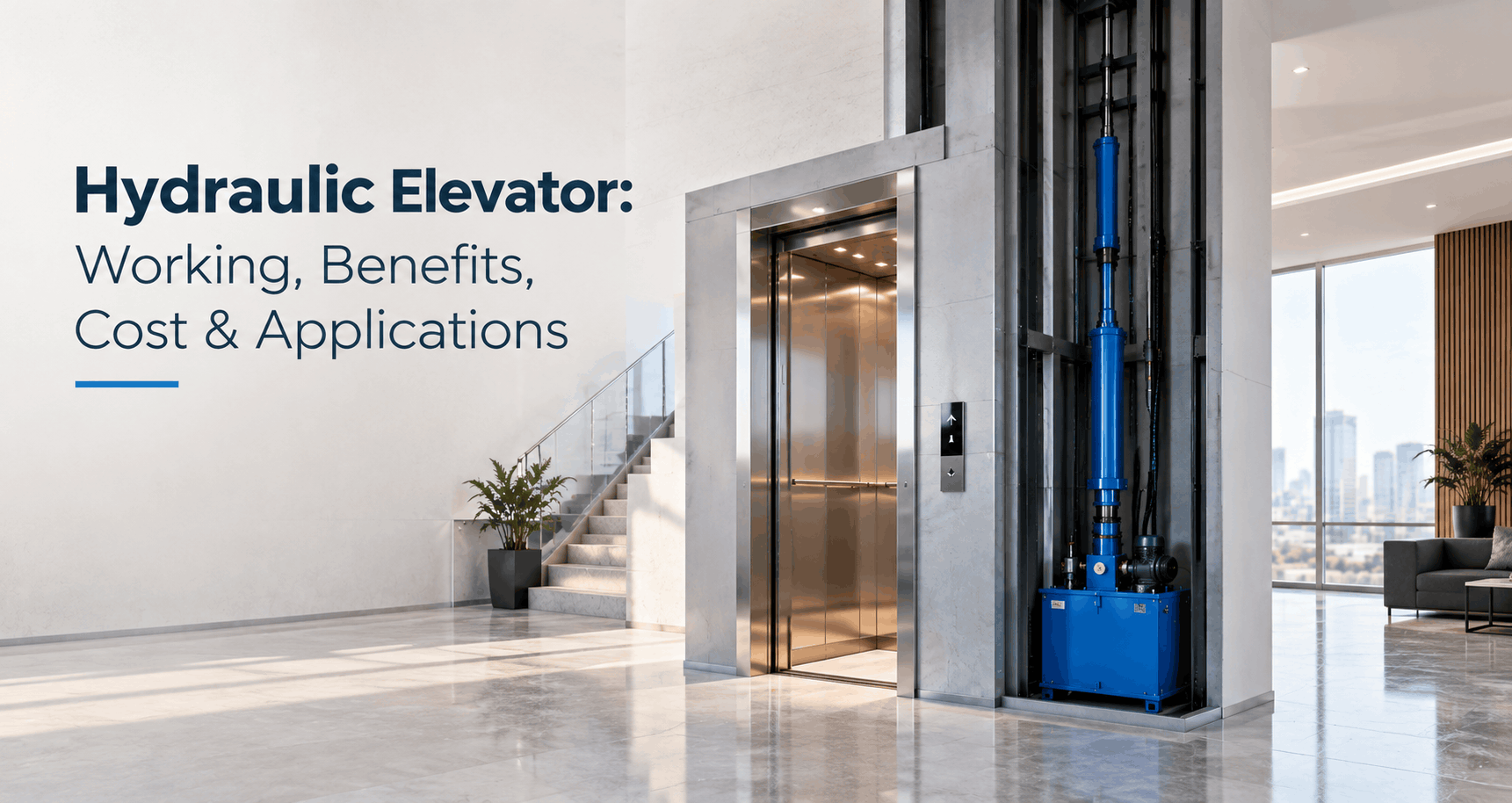
A hydraulic elevator uses pressurised fluid to raise the cabin through a piston-based mechanism. During descent, the system controls the movement of hydraulic fluid to lower the cabin.
Hydraulic systems can be considered for certain low-rise commercial buildings where the travel height, expected traffic and site conditions suit this technology.
Key considerations:
- Suitable for selected low-rise applications.
- Can provide effective load-handling capability when correctly specified.
- Requires appropriate space for the hydraulic equipment and cylinder arrangement.
- Maintenance includes checking fluid condition, seals, valves and related components.
Hydraulic elevators may not be the best choice for every commercial building. Passenger traffic, speed, energy consumption and long-term operating costs should be compared with alternative systems.
3. Machine-Roomless Elevator
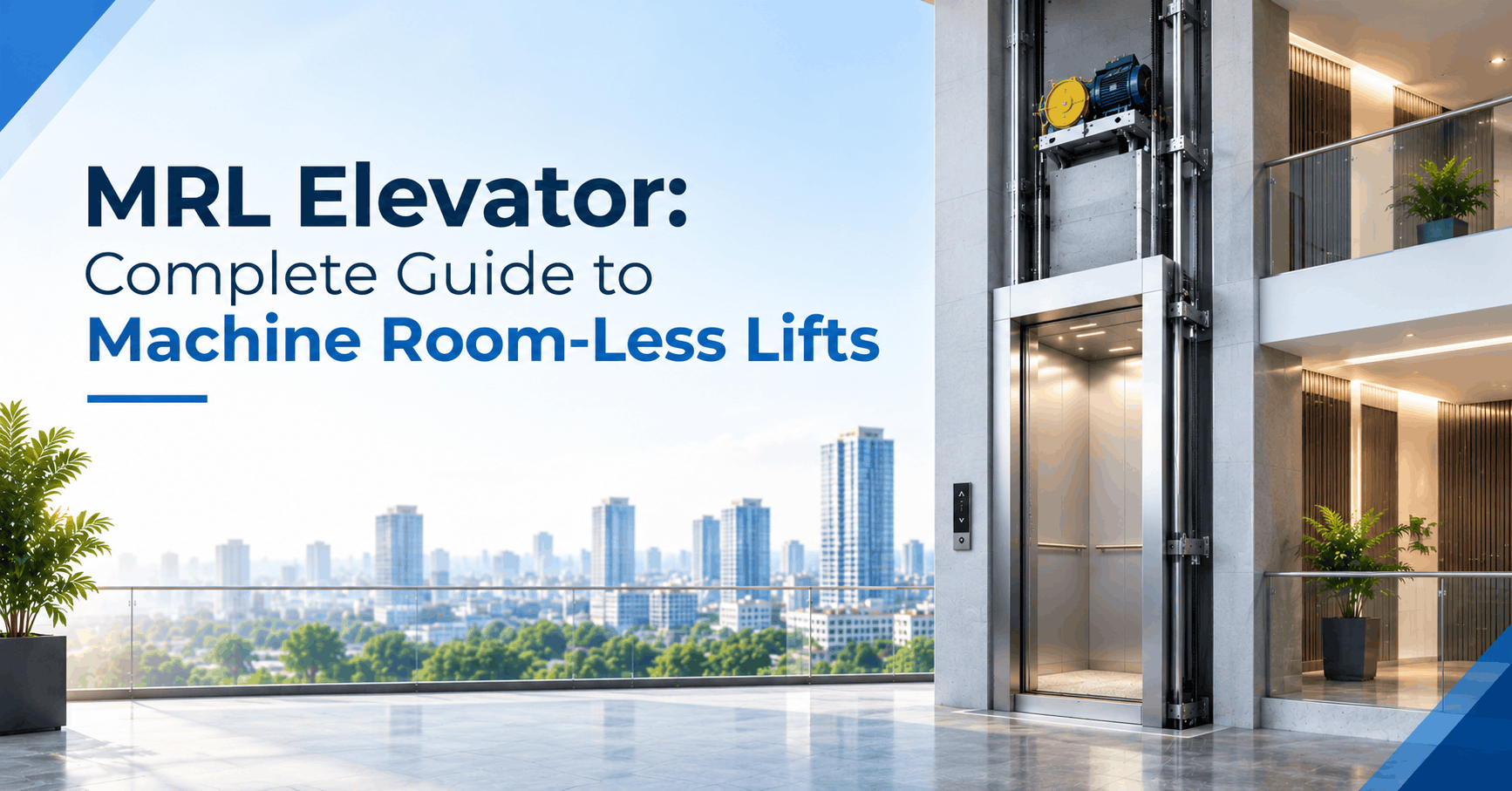
A machine-roomless elevator, often called an MRL elevator, is designed to reduce or eliminate the need for a separate machine room. Its drive equipment is installed within the designated elevator space according to the system design.
This configuration can be useful when the building layout has limited space for separate equipment areas.
Key considerations:
- Can reduce the need for a dedicated machine room.
- May provide more flexibility in architectural planning.
- Requires sufficient shaft space and access for inspection and maintenance.
- Actual space savings depend on the elevator model and building design.
An MRL system is not automatically suitable for every building. The designer should confirm the equipment clearances, maintenance access and applicable safety requirements.
4. Glass or Panoramic Elevator
A glass elevator uses transparent panels to create an open visual experience. It may be selected for hotels, retail spaces, commercial atriums and premium buildings where appearance is an important design consideration.
Key considerations:
- Can complement contemporary architectural designs.
- Requires appropriate glass specifications and structural support.
- Cabin finishes should balance appearance, durability and ease of cleaning.
- The design must meet all applicable safety requirements.
A panoramic cabin should be selected only after the technical requirements have been addressed.
5. Goods or Freight Elevator
A goods elevator is designed to transport approved materials, stock, equipment or other loads. It is commonly considered for warehouses, hotels, retail facilities and commercial buildings that need to move goods between levels.
Key considerations:
- Rated load capacity must match the expected goods.
- Cabin dimensions should accommodate the largest regular items.
- Door size and loading arrangements affect daily efficiency.
- Reinforced surfaces and suitable controls may be required.
Passenger and goods elevators should not be treated as interchangeable. Always use the equipment for its approved purpose and within its rated capacity.
How to Choose the Right Commercial Elevator
Selecting an elevator requires more than comparing cabin designs or prices. The following factors help determine which system is appropriate for a commercial property.
1. Assess the Building Height
The number of floors and total travel distance influence the type of elevator that can be installed. A small commercial building with a few floors may have different requirements from a high-rise office tower.
Before choosing a system, confirm:
- Total number of floors and stops
- Required travel height
- Expected travel speed
- Shaft dimensions and available installation space
- Equipment and maintenance access
The elevator supplier should evaluate these details before recommending a system.
2. Estimate Passenger Traffic
Passenger traffic is one of the most important factors in commercial elevator planning. An office building may experience a rush of passengers at the start of the working day, during lunch breaks and when employees leave.
A hotel may have different patterns because guests, staff and service operations move throughout the day.
Consider the expected number of users, peak periods, building occupancy and the time people are willing to wait. For larger buildings, a traffic analysis can help determine the number of elevators, cabin capacities and control features required.
Installing a lift without considering peak traffic can result in long waiting times even when the equipment itself is functioning correctly.
3. Select the Correct Load Capacity
The rated capacity should match the intended use of the elevator. A system designed for an office may have different requirements from one intended for a hospital or a goods-handling area.
When assessing capacity, consider:
- Expected number of passengers
- Typical passenger loads
- Movement of equipment or approved goods
- Cabin dimensions and door openings
- Future changes in building occupancy
Do not choose a lower-capacity system simply to reduce the initial cost. The capacity should be determined by qualified professionals using the building's actual requirements.
4. Compare Speed and Ride Comfort
Travel speed affects how efficiently passengers move between floors, but higher speed is not always necessary. The ideal speed depends on travel height, traffic volume, stopping frequency and the intended use of the building.
Ride comfort is equally important. Smooth acceleration, controlled stopping, accurate floor levelling and suitable door operation improve the passenger experience.
For office buildings and busy commercial properties, these factors can influence daily convenience and the overall impression of the premises.
5. Review Energy Efficiency
Elevators consume electricity through their drive systems, lighting, controls and other components. Actual consumption depends on technology, passenger demand, travel distance, loading and operating patterns.
When comparing systems, ask about:
- Drive technology and motor efficiency
- Standby energy use
- Cabin lighting and ventilation controls
- Regenerative drive options, where suitable
- Expected usage and maintenance requirements
Avoid relying on a general claim that one type always uses less energy than another. Request technical information relevant to the proposed model and expected operating conditions.
6. Check Safety Features
Safety is a core requirement for any commercial elevator. The selected system should include the safety devices, controls and protective arrangements required by its design and applicable regulations.
Depending on the system, important features may include:
- Door interlocks and door protection
- Overload monitoring
- Emergency communication
- Emergency rescue or lowering arrangements
- Suitable braking and speed-control systems
- Floor levelling and landing protection
- Appropriate backup provisions
The building owner should confirm the applicable Indian standards, local approvals, inspection requirements and documentation with the supplier and relevant authorities. Safety features should never be removed or downgraded merely to reduce the quotation.
7. Consider Installation Space
The elevator must fit the building's architectural and structural layout. The shaft, pit, overhead clearance, electrical supply and equipment location should be coordinated with the architect and relevant engineering teams.
For an existing building, a site inspection is especially important because structural changes may affect the feasibility and cost of installation.
Early coordination can help avoid redesign work, construction delays and unexpected expenses.
8. Evaluate Maintenance and Service Support
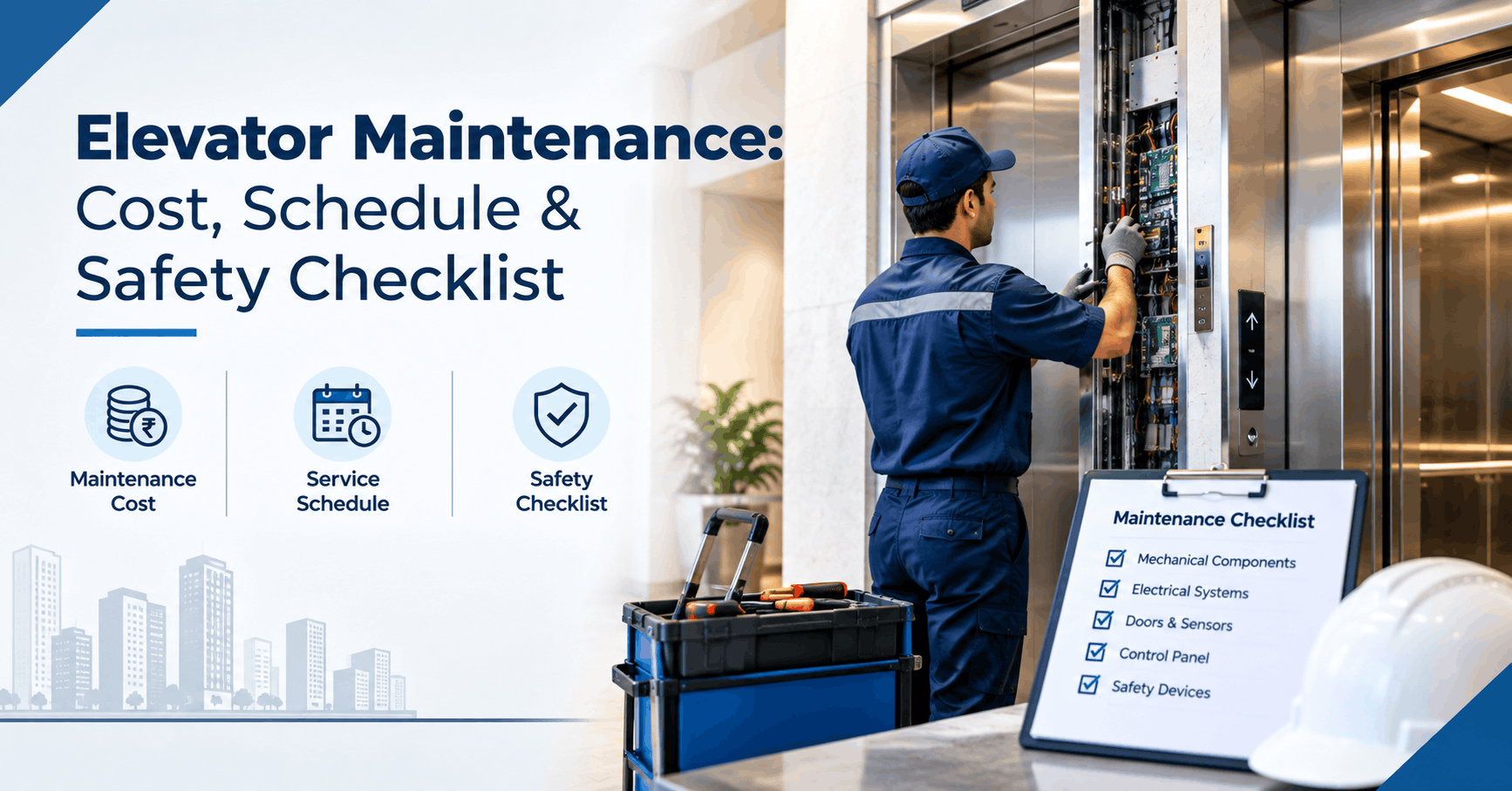
An elevator is a long-term building system. Its performance depends on regular maintenance, timely repairs and the availability of qualified technicians.
Before choosing a supplier, ask about:
- Preventive maintenance schedules
- Warranty coverage
- Availability of replacement parts
- Emergency support arrangements
- Service response times
- Inspection records and maintenance documentation
Reviewing a provider's commercial and industry-specific lift solutions can help you understand whether it works with building types similar to yours. Confirm the exact equipment, service scope and technical support available for your project before signing the agreement.
Commercial Elevator Cost: What Affects the Price?
The cost of a commercial elevator varies according to its technical specifications and installation conditions. A reliable estimate should account for the complete project rather than only the elevator equipment.
Number of Floors and Travel Height
The number of stops and the total travel distance influence the elevator configuration, equipment and installation work.
Load Capacity and Cabin Size
A higher rated capacity or larger cabin may require different components and more space. Special requirements for goods, stretchers or bulky equipment can also affect the design.
Elevator Technology
Traction, hydraulic and machine-roomless systems have different equipment and installation requirements. The most economical option depends on the building and how the elevator will be used.
Cabin Design and Finishes
Standard finishes may cost less than customised interiors, glass panels, premium materials or specialised lighting.
Civil and Electrical Work
Shaft preparation, pit construction, structural changes, electrical supply and other site-related work can contribute to the overall budget.
Safety Systems and Controls
The required control technology, door protection, emergency systems and other safety provisions affect the specification and price.
Installation and Ongoing Service
The quotation should clearly identify installation, testing, commissioning, warranty and maintenance terms. Ask which items are included and which may be charged separately.
For an accurate estimate, provide the supplier with the building plans, number of floors, intended use, expected traffic and desired cabin specifications. Compare quotations based on the same requirements rather than selecting the lowest headline price.
Common Mistakes to Avoid When Selecting a Commercial Lift
Choosing Only on the Basis of Price
A lower initial quotation may not include all installation work, required features or service arrangements. Compare the complete scope and long-term operating requirements.
Ignoring Peak-Hour Traffic
An elevator that works well during quiet periods may not handle the building's busiest hours efficiently. Estimate passenger demand before deciding on the number and capacity of lifts.
Overlooking Future Needs
The building's use or occupancy may change over time. Consider reasonable future requirements when planning capacity, accessibility and maintenance access.
Neglecting Service Availability
Poor maintenance support can increase downtime and inconvenience building users. Check the supplier's service arrangements before finalising the purchase.
Treating All Elevators as the Same
Different technologies and cabin configurations serve different purposes. Select equipment based on the building's height, use, load requirements and safety needs.
Why Professional Planning Matters
A commercial elevator project involves coordination between the building owner, architect, structural engineer, electrical team and elevator supplier. Each party needs accurate information about the shaft, pit, overhead clearance, power supply, intended use and installation schedule.
Professional planning helps identify site limitations early, define the required specifications and reduce the risk of avoidable changes during construction. It also supports proper documentation, testing and commissioning before the elevator enters service.
Before selecting a supplier, review its technical capabilities, installation experience, safety processes and after-sales support. Discuss the project requirements in detail and request a proposal that clearly explains the equipment, installation scope, expected timeline and maintenance arrangements.
Conclusion
Choosing the right commercial elevator requires careful consideration of building height, passenger traffic, load capacity, travel speed, energy consumption, safety features and maintenance support. Traction, hydraulic, machine-roomless, panoramic and goods elevators serve different purposes, so the most suitable system depends on the building's specific requirements rather than a single universal recommendation.
Before making a final decision, arrange a site assessment and compare complete technical quotations. If you are planning an office, hotel, retail complex or another commercial property, speak with an experienced elevator installation and service team to discuss the building layout, operating needs and suitable elevator configuration. Proper planning and regular maintenance can support safe, reliable and efficient vertical transportation over the long term.